Tong Meng is a Chinese artist based between France and Germany. Raised within a closed military compound in China and born into a military family, she served in the armed forces for nearly a decade before leaving military life to pursue an artistic practice. She graduated from the École Nationale Supérieure d’Art de Limoges (France).
Her work investigates the body as a political, historical, and psychological site where systems of power become materially inscribed. Drawing upon personal experience without reducing it to autobiography, Tong examines how institutional authority, militarization, gender, and domestic structures produce forms of violence that shape corporeal memory.
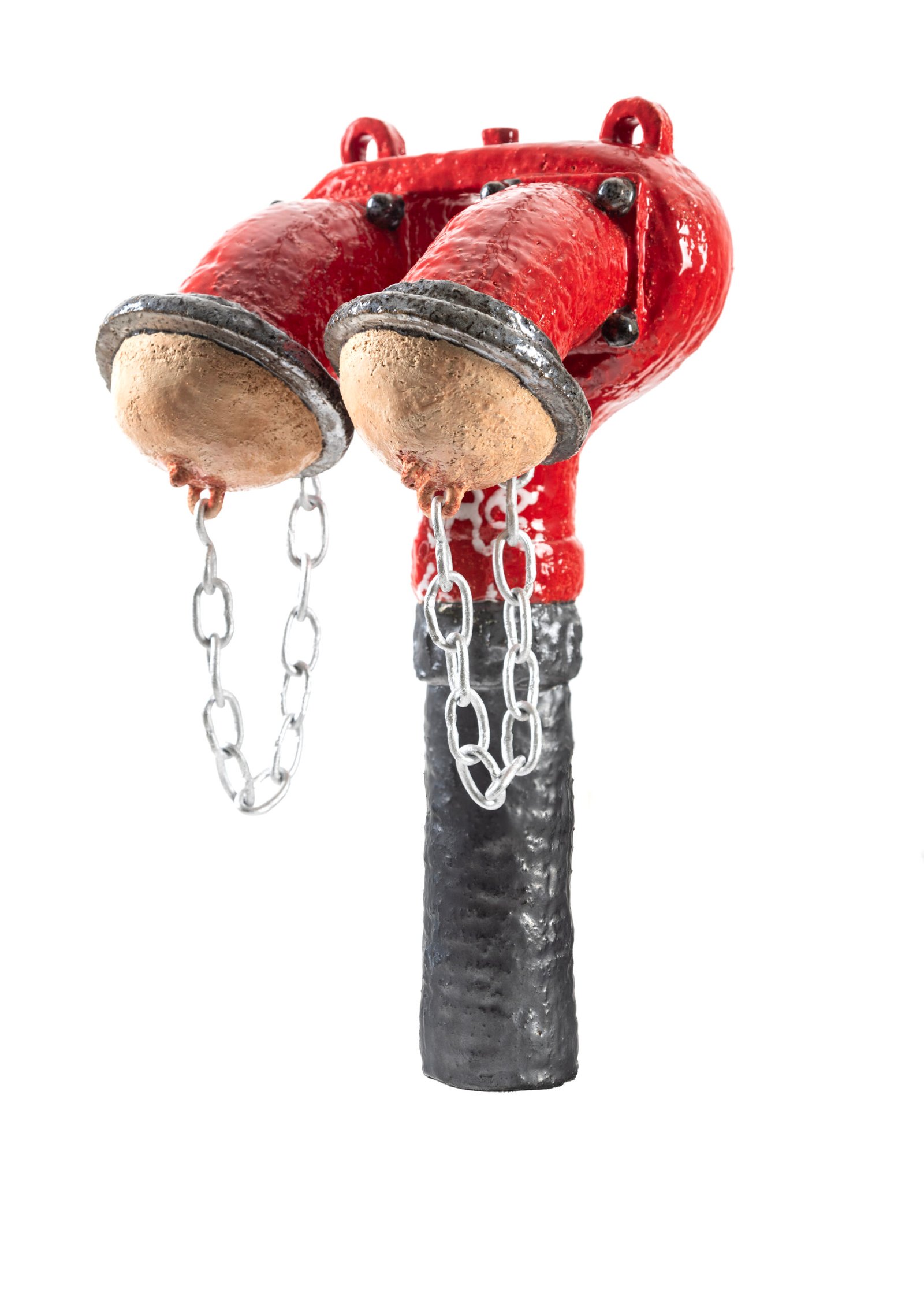
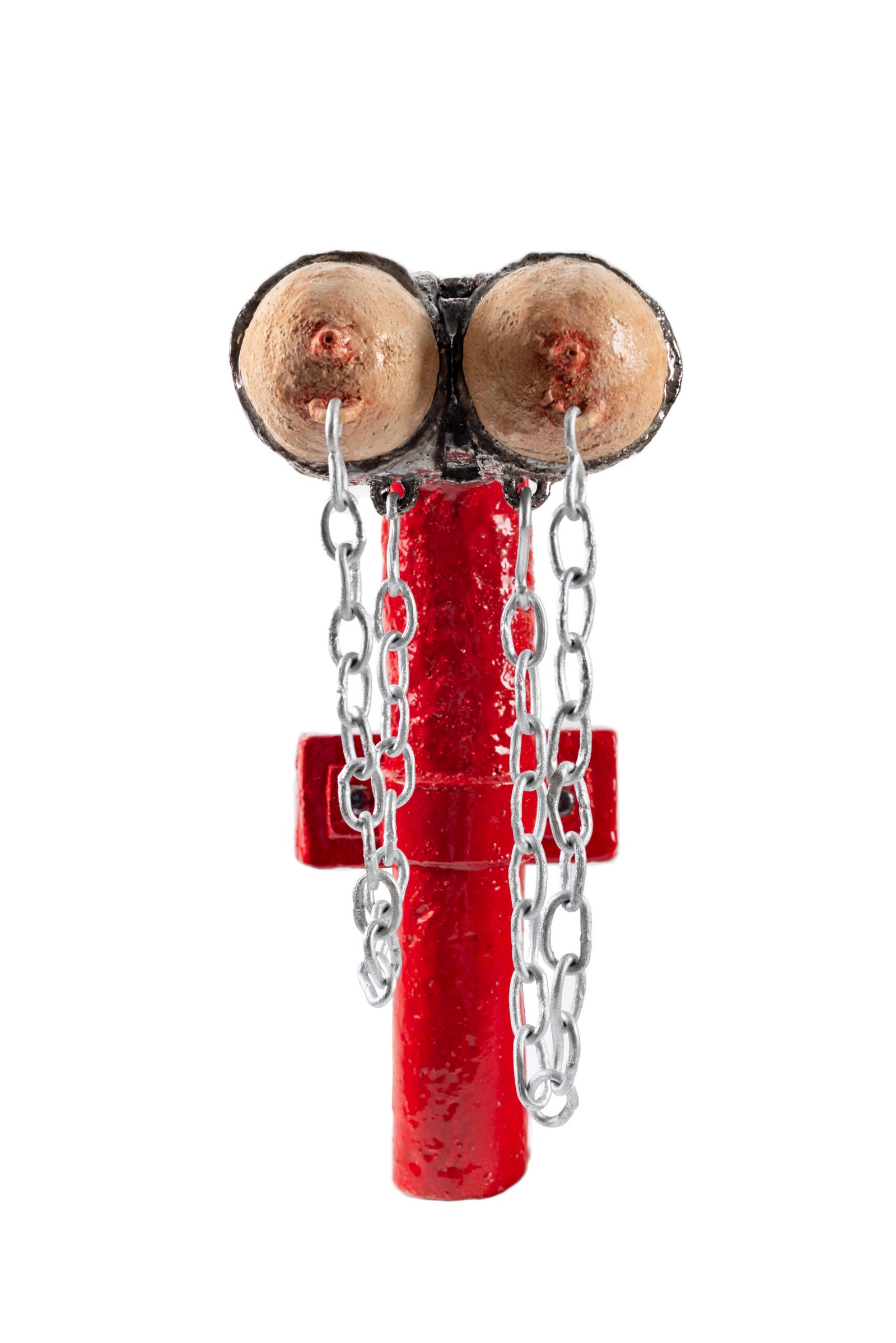
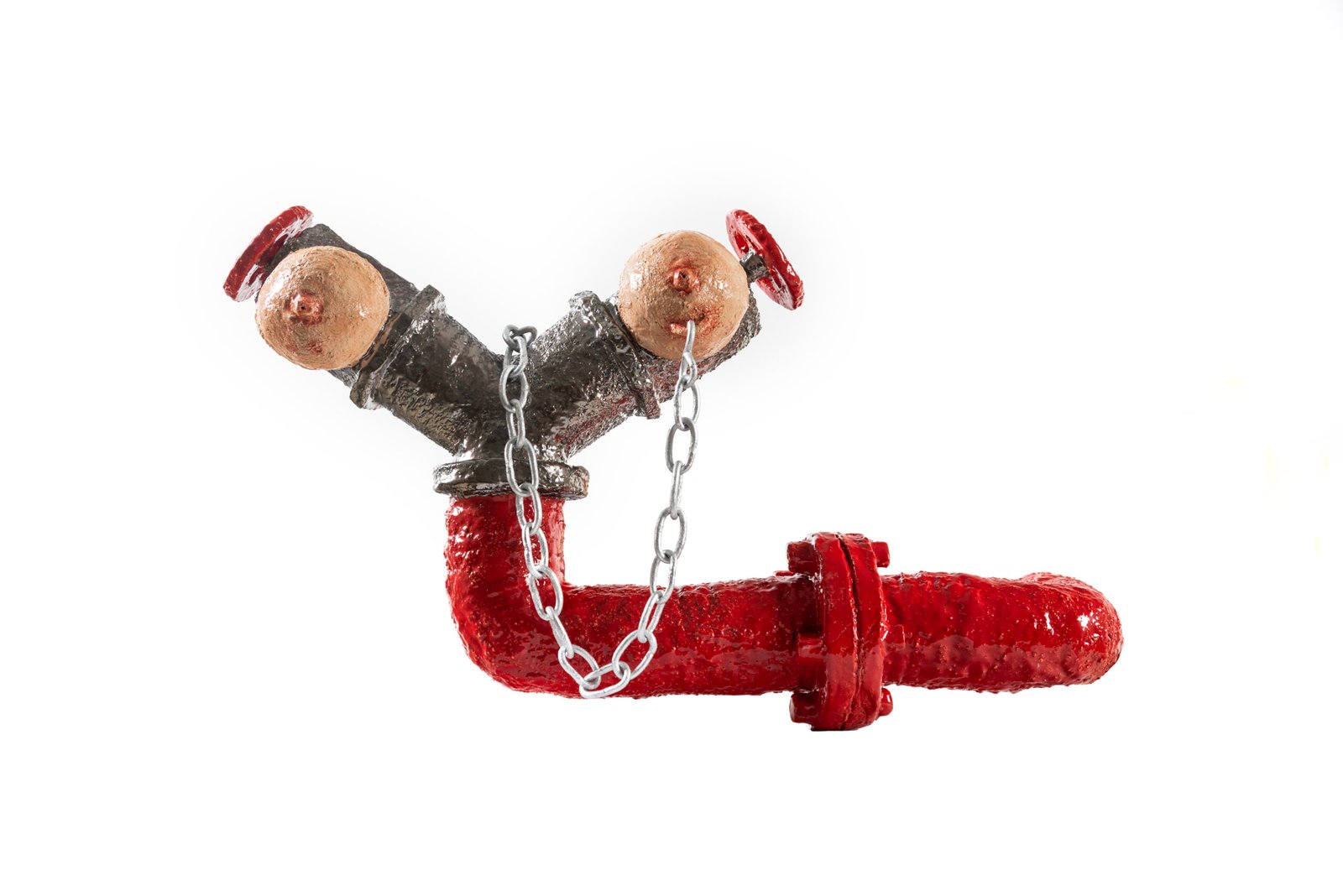
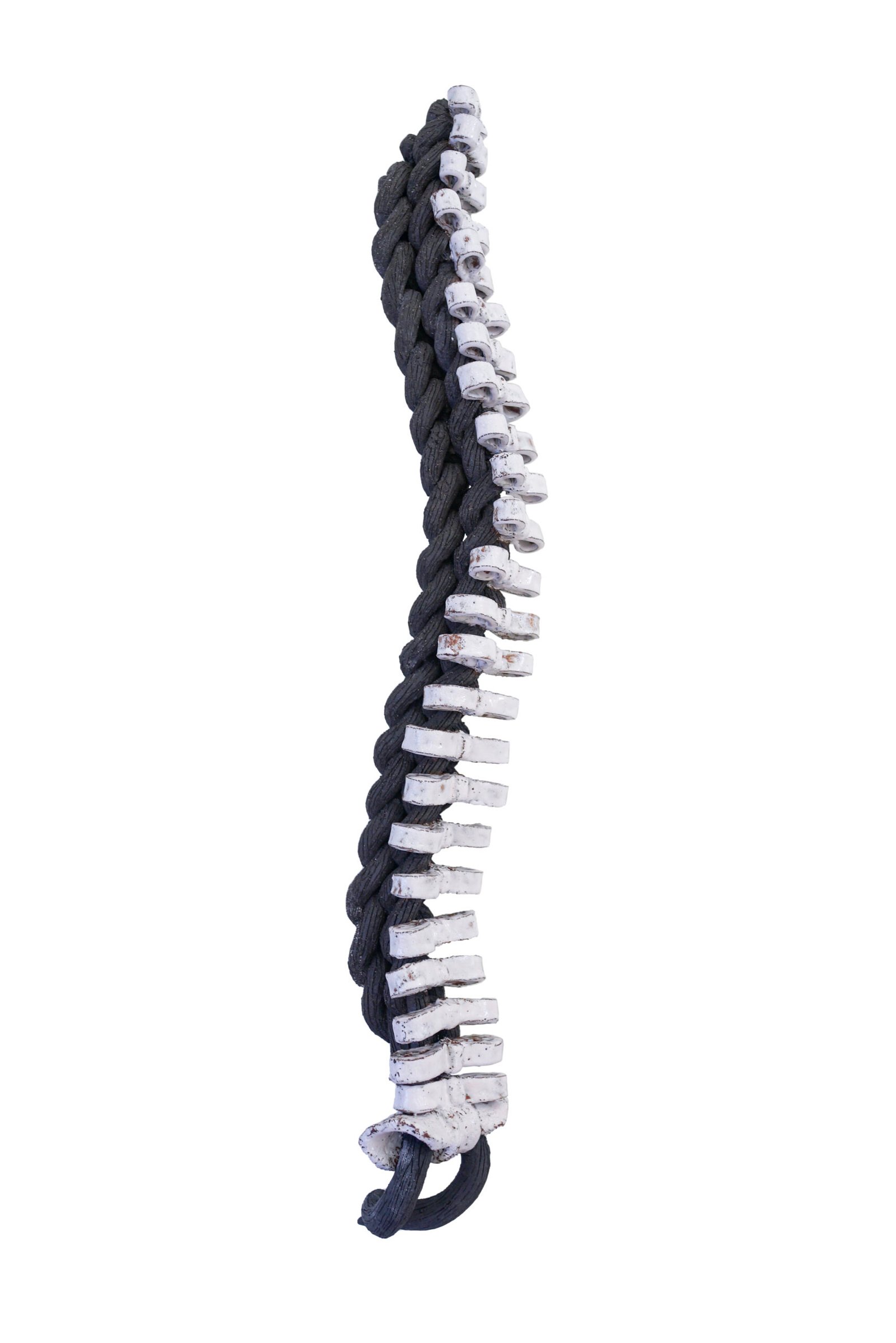
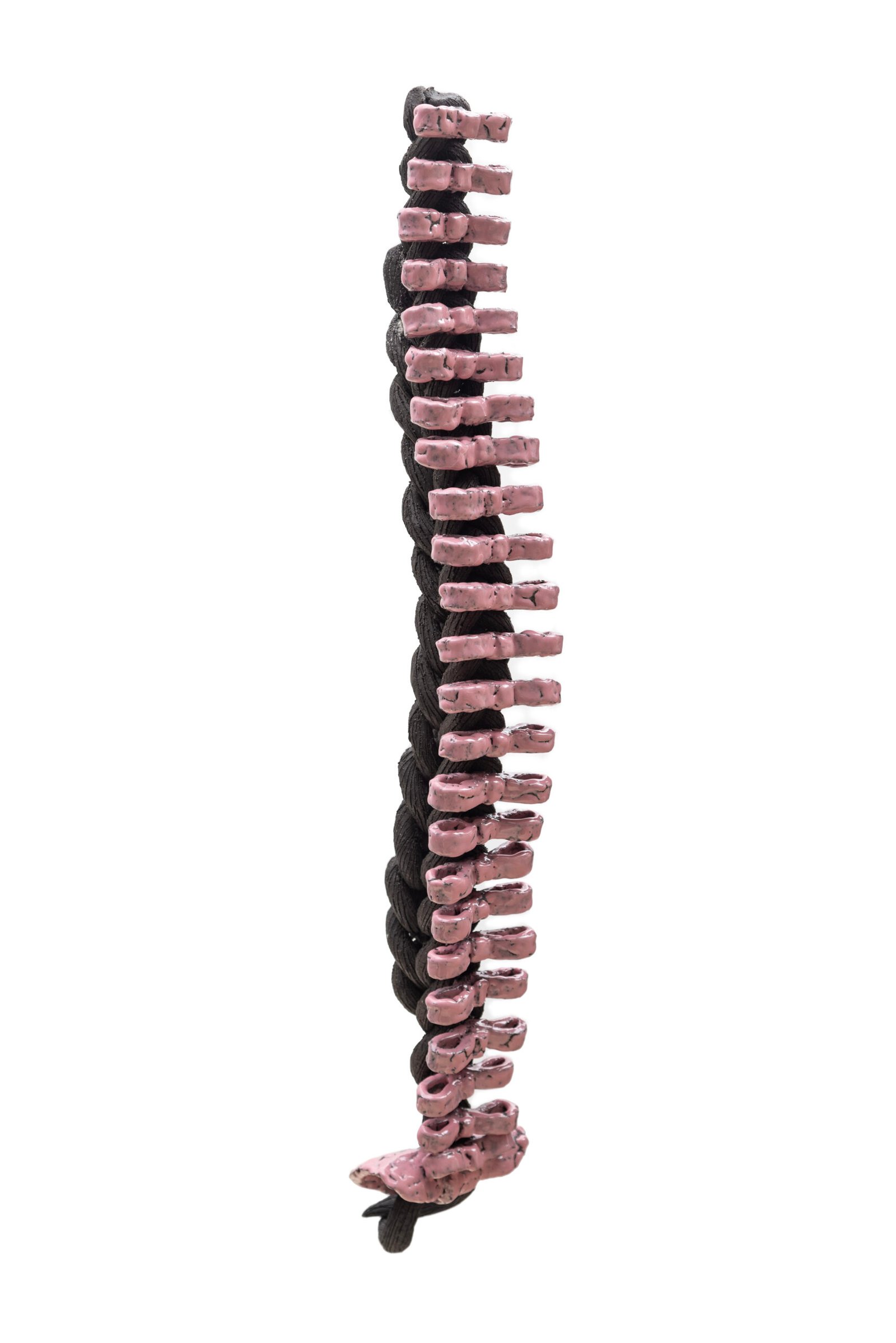
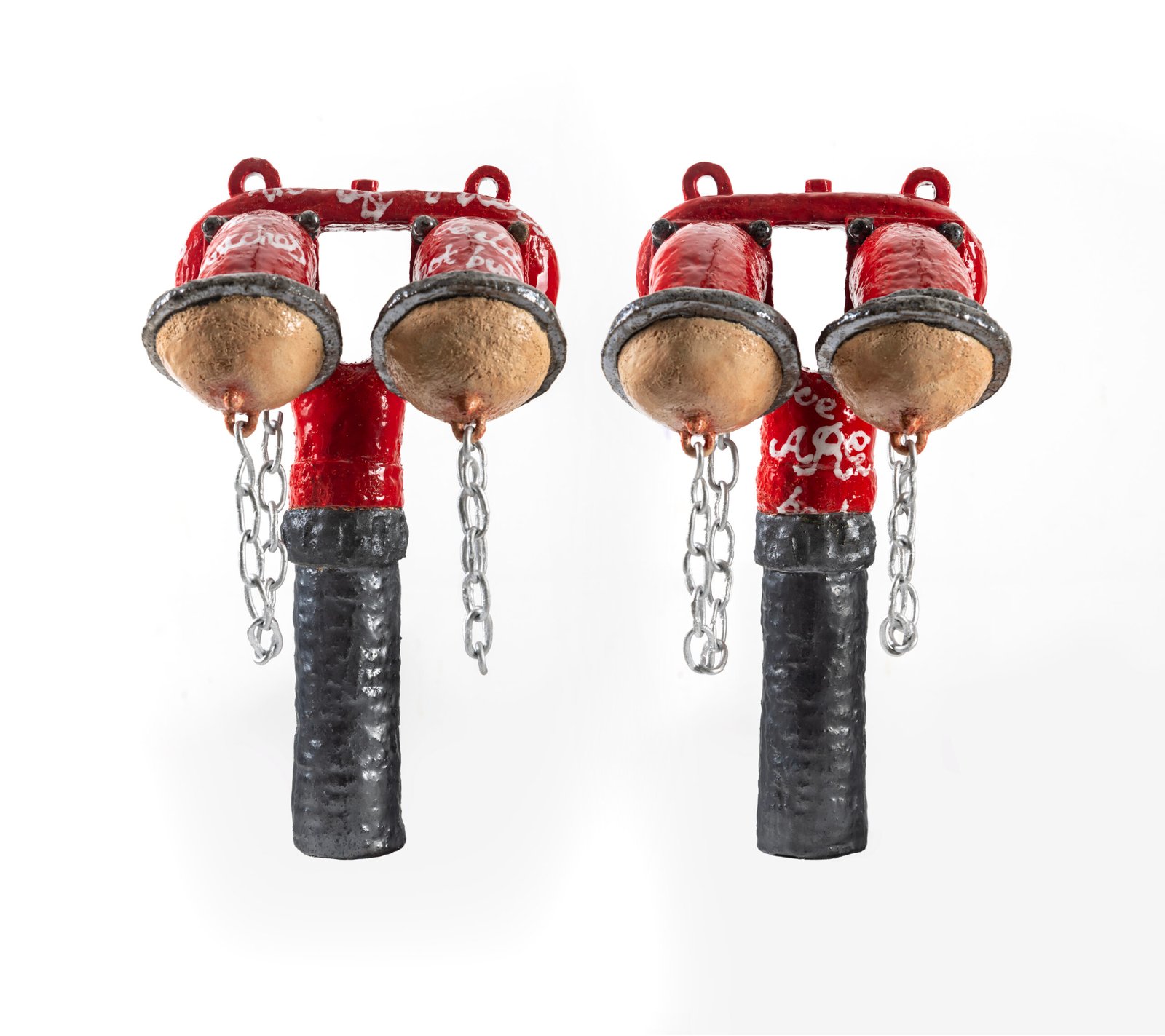
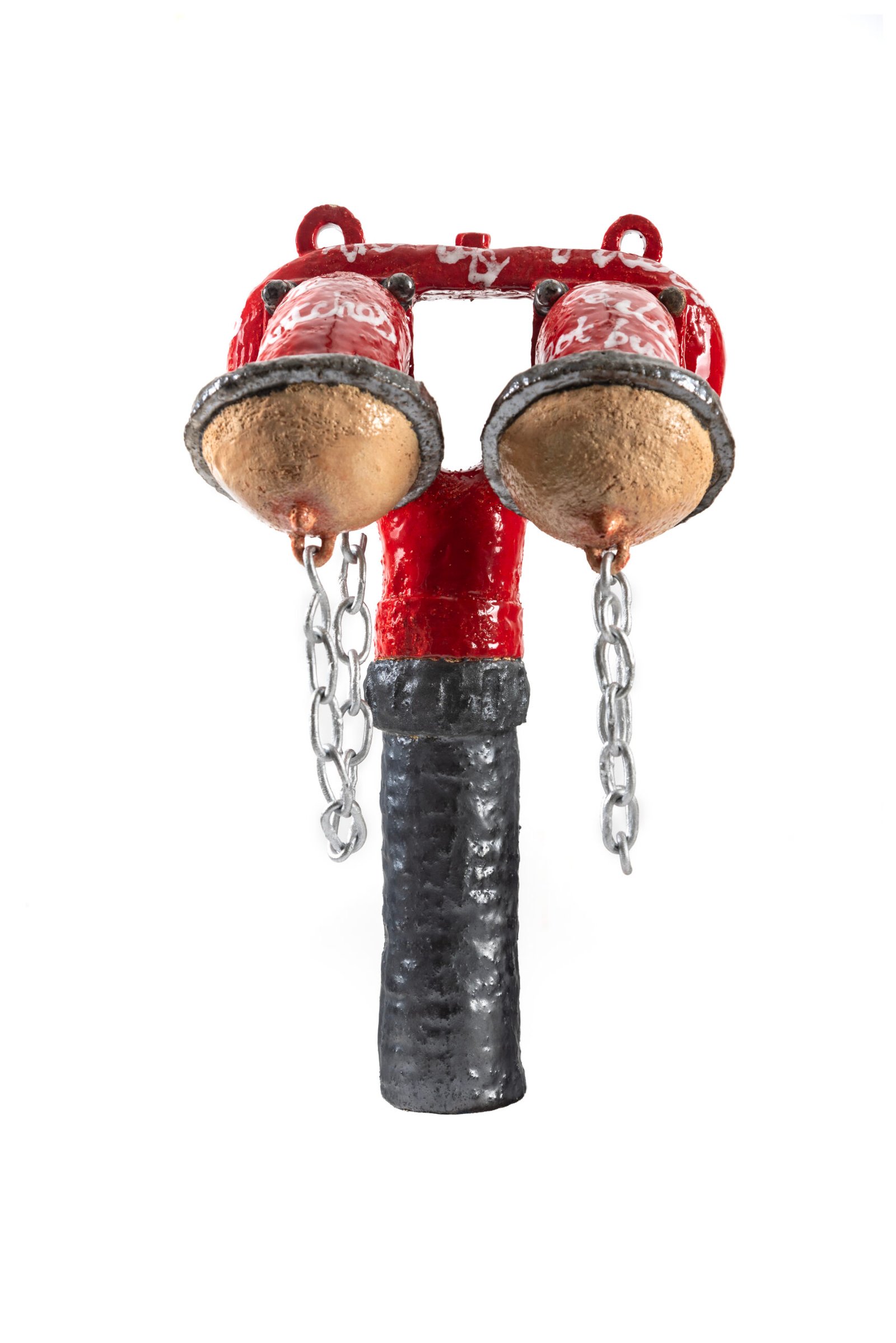
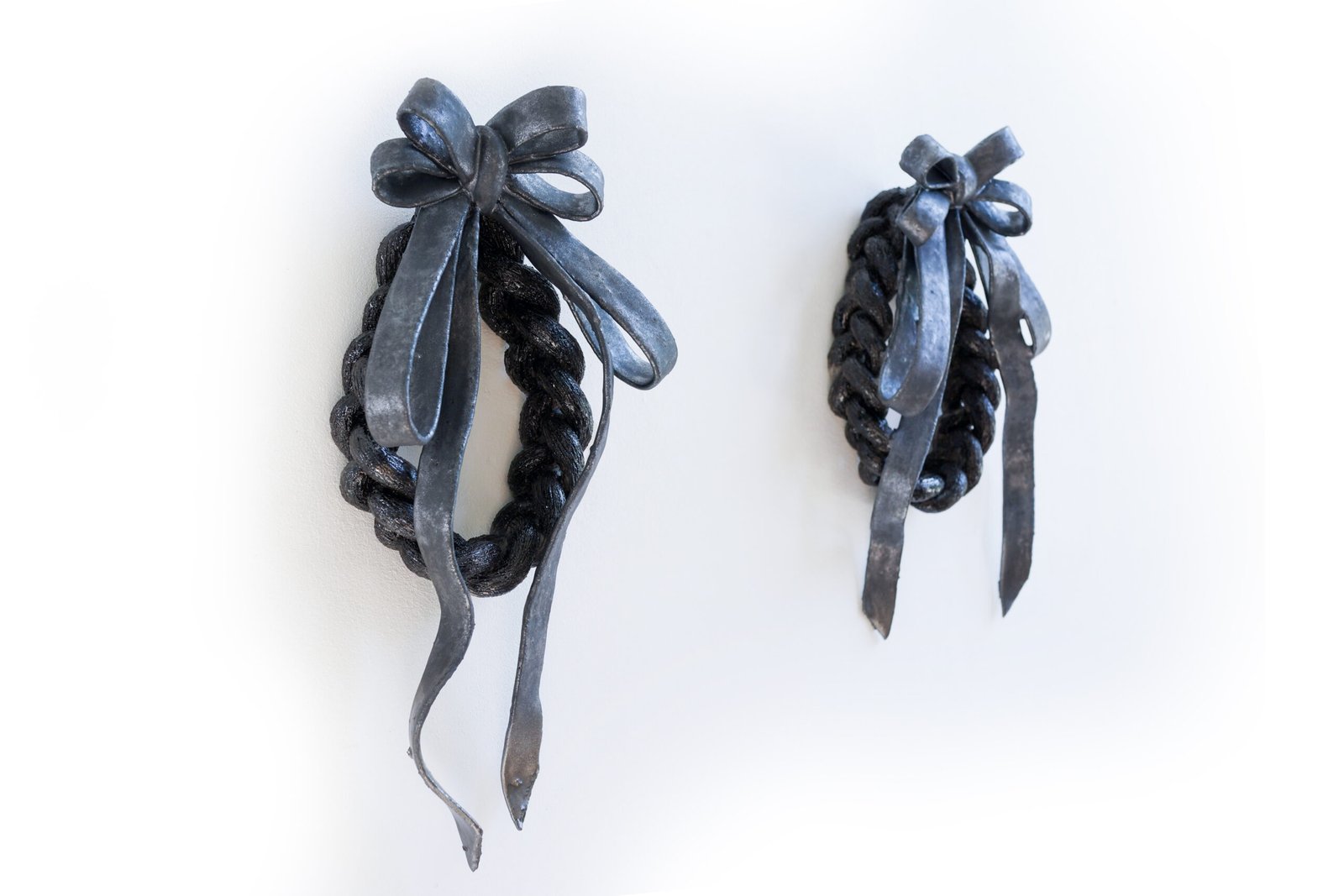
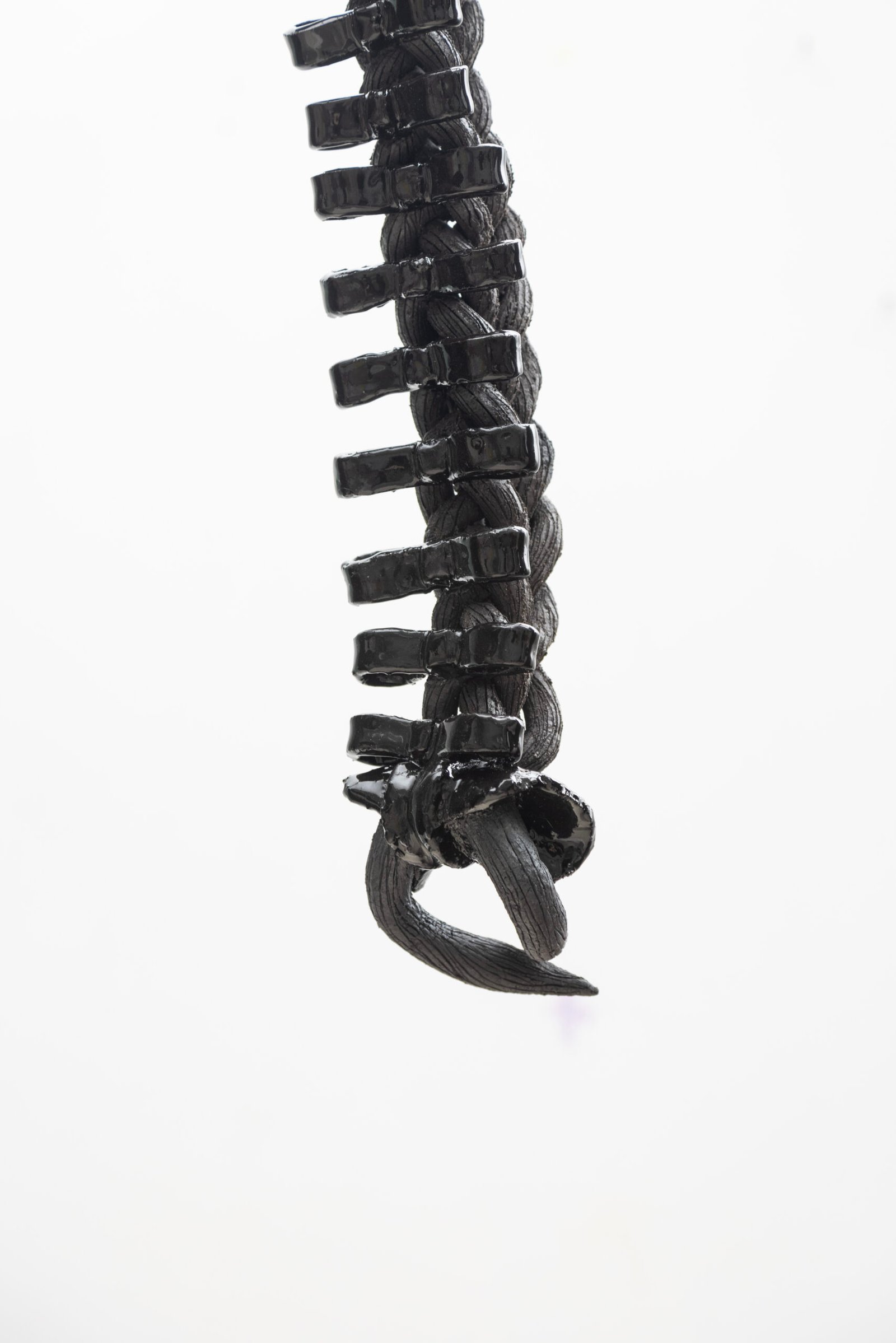
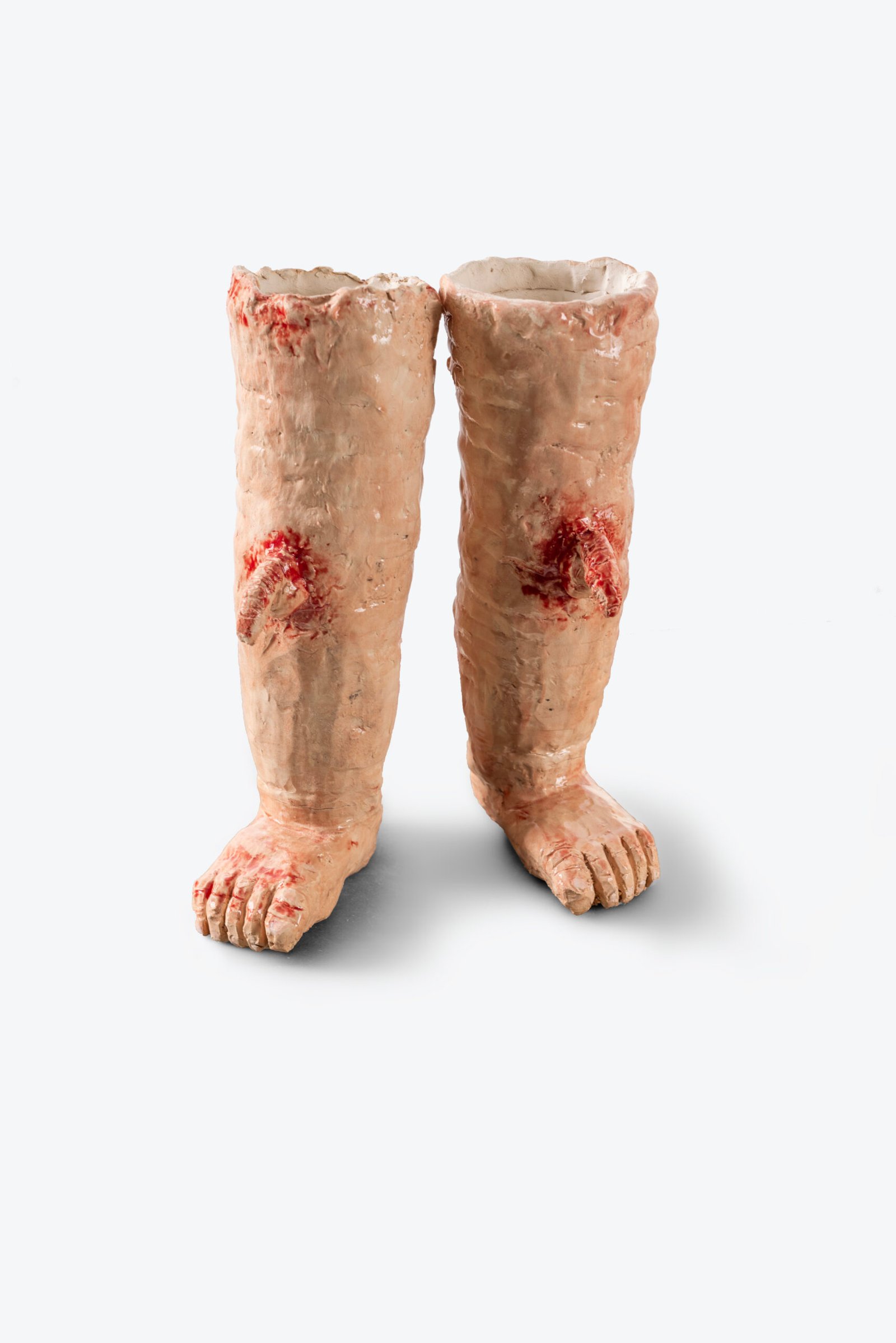
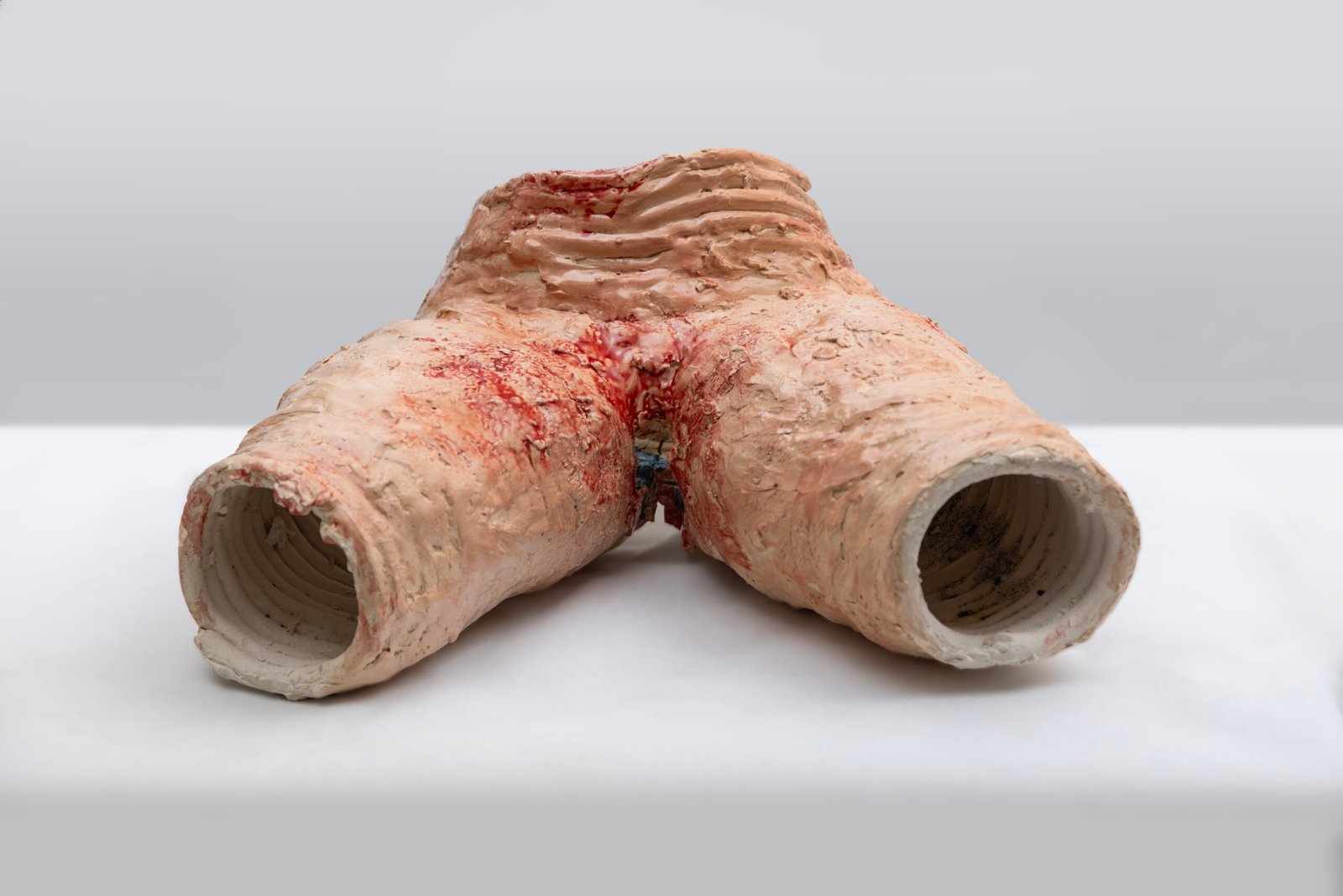
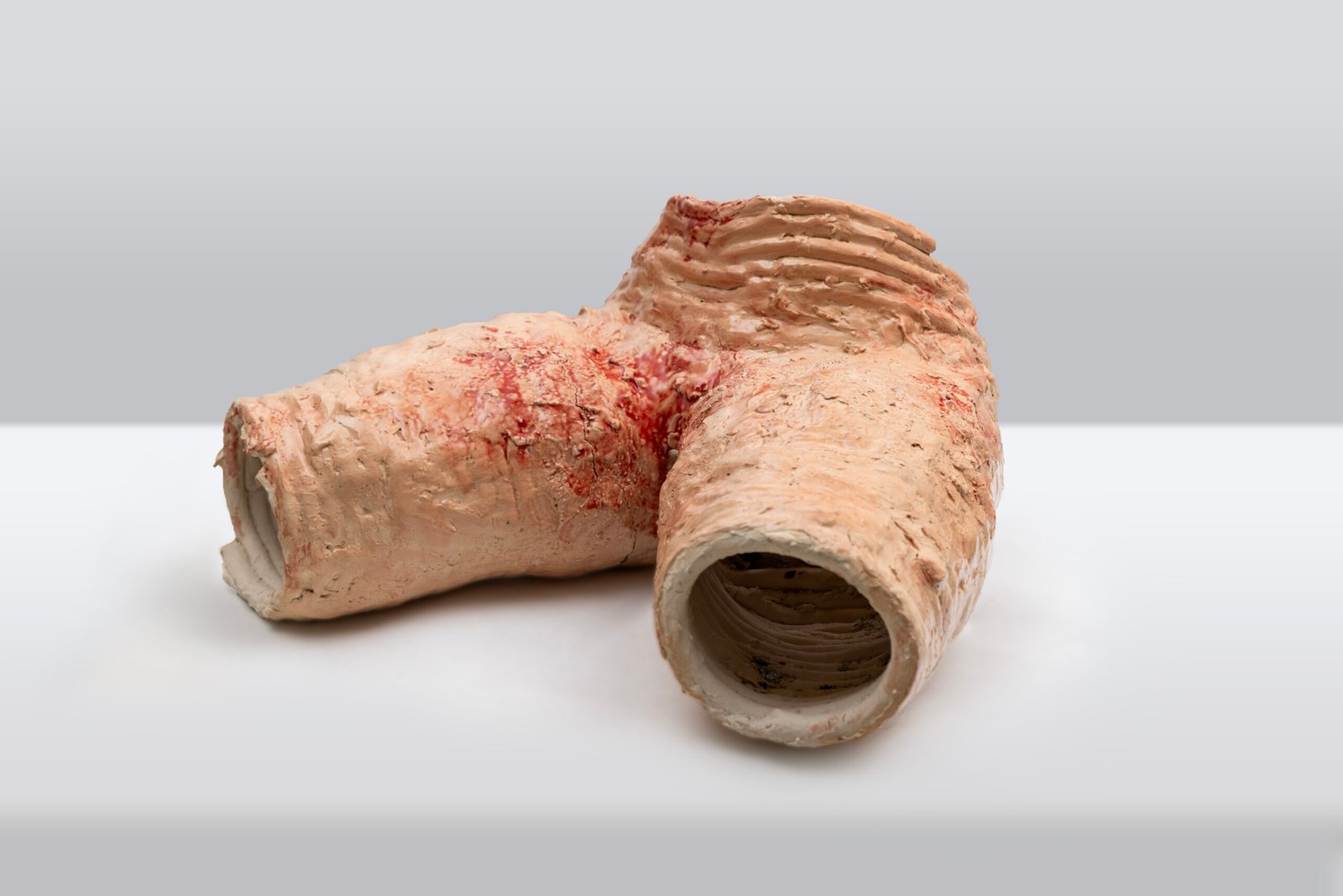
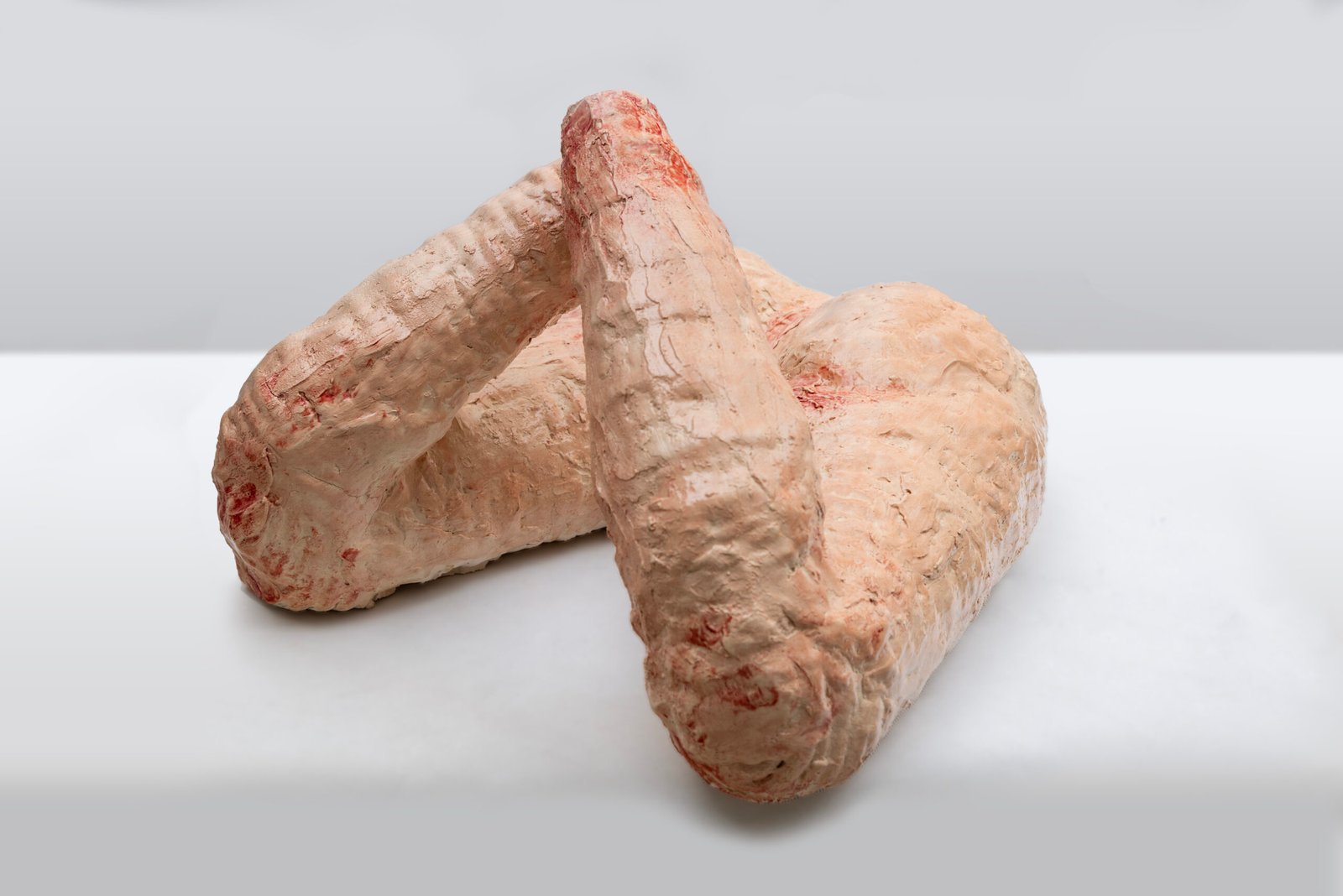
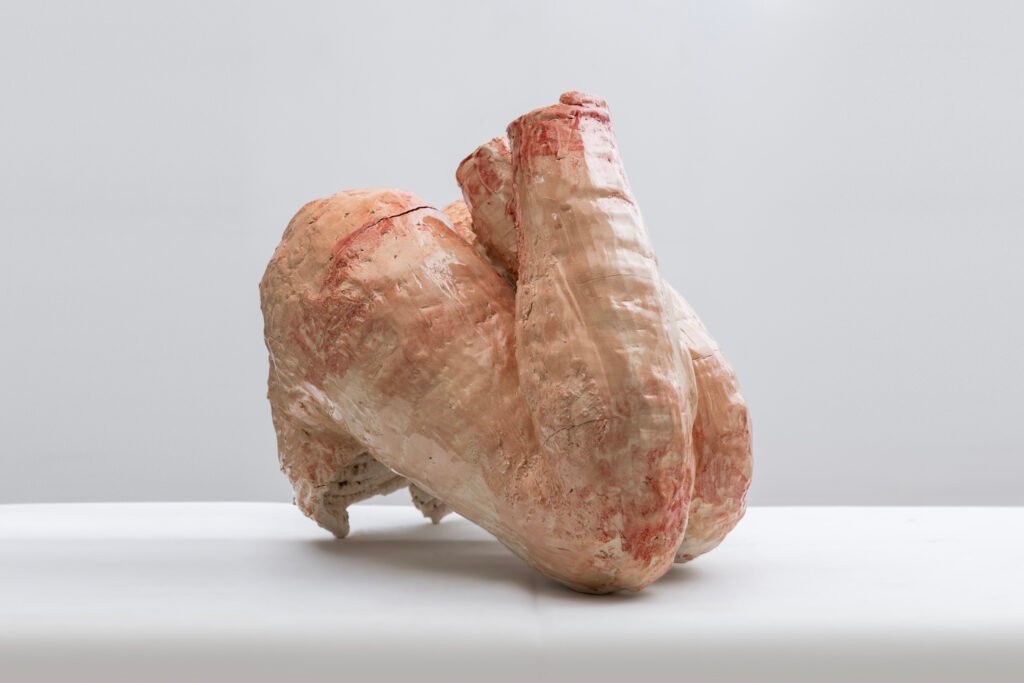
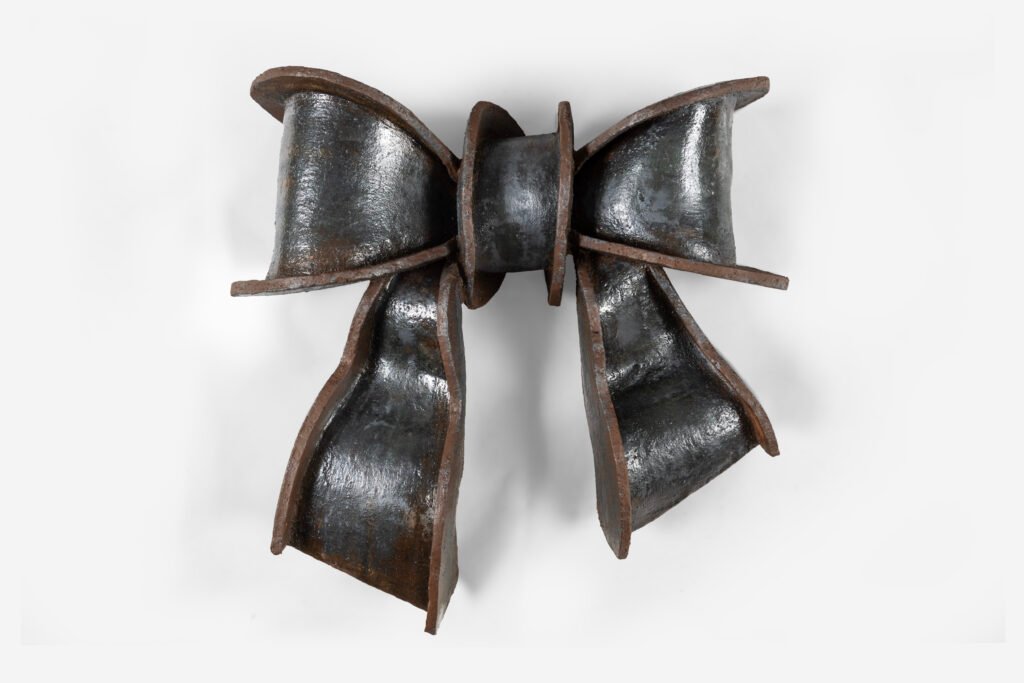
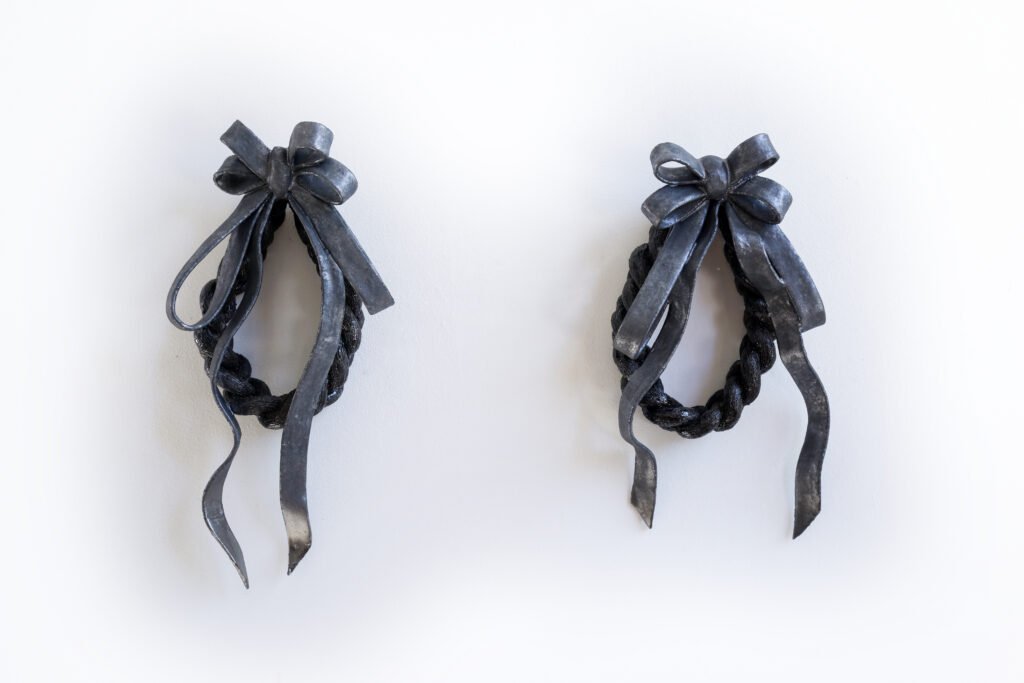
Working across sculpture, installation, and mixed media, she develops a symbolic visual language in which anatomical fragments, bows, hair, spinal forms, and organic materials coexist as unstable signs. Clay, resin, textiles, fur, and found materials are employed not as representations but as active substances through which vulnerability and resistance become inseparable.
Rather than narrating individual trauma, Tong situates intimate experience within broader structures of discipline, power, and inherited social codes. Her practice considers the body not as an isolated subject but as an archive in which political history, collective memory, and institutional violence remain sedimented. Through processes of material transformation, her works examine the tensions between fragility and endurance, submission and agency, destruction and persistence.

Artist Statement
My practice is not conceived as an act of self-expression but as a process of revealing structures that ordinarily remain concealed. Rather than representing personal experience, I seek to expose the conditions through which bodies, memories, and institutions become mutually constituted.
The work is grounded in the conviction that the body is never merely biological. It functions simultaneously as a political territory, a historical archive, and a site upon which systems of authority inscribe themselves. Material therefore does not illustrate meaning; it produces it. Through sculpture and installation, organic and industrial substances are transformed into unstable forms that oscillate between vulnerability and resistance, attraction and violence.
The work refuses narrative closure. Each piece remains fundamentally incomplete until it encounters the gaze of another. Meaning is not transmitted by the artist but generated through the relation established between the work and its viewer.
This understanding draws upon Jean-Paul Sartre’s conception of artistic creation in What Is Literature?, in which the artwork exists as an appeal addressed to the freedom of another. The viewer is not a passive recipient but an active participant whose encounter completes the work’s existence.
Art, therefore, is not a vehicle for confession, nor a search for consensus. It is a mode of disclosure that confronts the viewer with realities that resist simplification. The artist’s responsibility lies not in expressing the self but in assuming responsibility for what is revealed.
Works Exhibition